
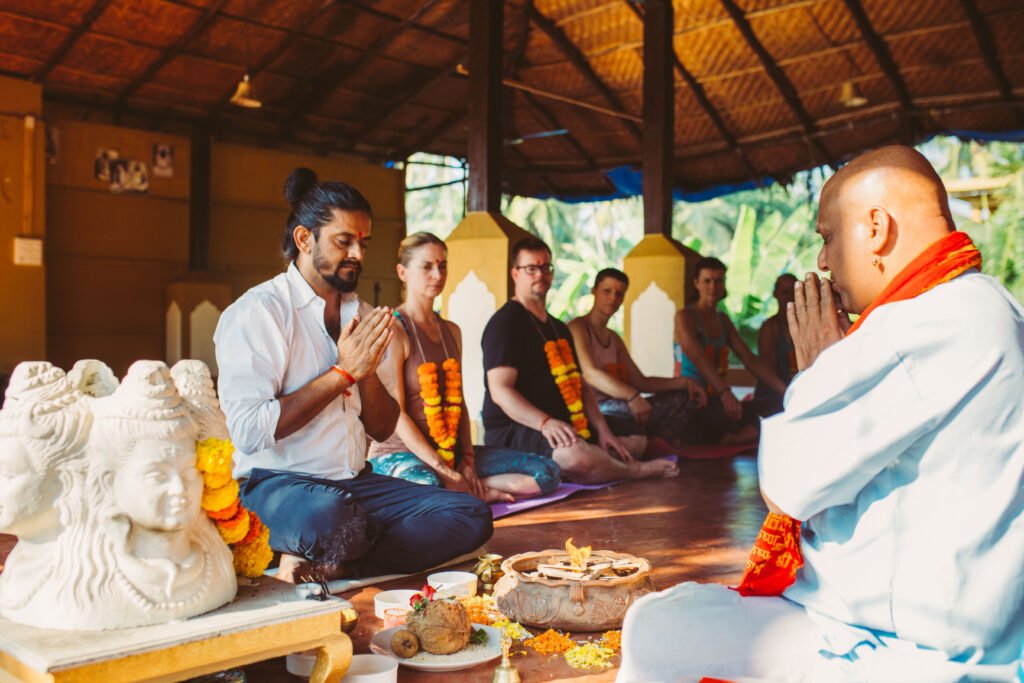
 What is a Guru? An Exploration of the Term
The term ‘guru’ has its origins in the ancient Indian languages, particularly Sanskrit, where it is derived from the words ‘gu,’ meaning darkness or ignorance, and ‘ru,’ meaning light or knowledge. Thus, a guru can be fundamentally understood as one who dispels ignorance and leads individuals toward enlightenment. The role of a guru transcends mere instruction; it encompasses the holistic guidance of a disciple’s spiritual journey. Historically, the concept of a guru has been significant in various Indian spiritual traditions, including Hinduism, Buddhism, and Sikhism.
In the context of yoga, a guru serves as a teacher, mentor, and guide, offering wisdom not only in physical practices but also in the philosophical aspects of yoga. Through personal experience and spiritual insight, a guru aims to help students navigate the complexities of self-discovery and self-realization. A true guru possesses distinct qualities, including profound knowledge, compassion, and an authentic connection to the spiritual path. These attributes are essential for nurturing a trusting and transformative relationship with their students.
Over the centuries, the definition and societal perception of a guru have evolved. In contemporary settings, one may encounter various interpretations, from traditional spiritual leaders to modern instructors. Nonetheless, the fundamental essence remains the same: a guru is someone who imparts knowledge, provides support, and inspires growth. In yoga, this close student-guru relationship is often seen as integral to spiritual development, as the teachings imparted go beyond physical postures to encompass ethical living, meditation, and a deeper understanding of oneself and the universe.
Distinguishing Authentic Gurus from False Prophets
In the realm of yoga, discerning between authentic gurus and false prophets is paramount for practitioners seeking genuine guidance. Authentic yoga gurus exhibit a set of distinctive characteristics that set them apart from those who may misrepresent their teachings. One of the primary traits of a genuine guru is humility. True spiritual leaders, often referred to as yogis, embrace a humble approach, recognizing that their knowledge is part of a larger, ancient tradition. They empower their students rather than seeking to dominate them, fostering a collaborative learning environment.
Wisdom is another hallmark of an authentic guru. This wisdom is not merely academic; it encompasses lived experience, a deep understanding of yogic principles, and the ability to apply these teachings in daily life. True gurus encourage their followers to cultivate their own understanding of yoga, facilitating personal growth and self-discovery. Conversely, individuals who exhibit egocentrism tend to cloak their teachings in self-promotion, focusing on their fame or status rather than on the spiritual development of their students. Such behavior is often a red flag indicating that one may be a false prophet.
Practitioners should also pay attention to connections with traditional practices. A credible guru remains grounded in the rich heritage of yoga, honoring its roots and teachings. They should demonstrate a commitment to ongoing learning and self-improvement, which reflects the true essence of the yogic path. Evaluating a guru’s credibility can be supplemented by personal experience and testimonials from former students. Experiences shared can provide insight into the guru’s effectiveness, values, and the transformative impact they are capable of fostering within their students. By paying attention to these key indicators, individuals can navigate the landscape of yoga with greater confidence.
The Role of Gurus in Yoga Teacher Training
In the realm of yoga teacher training, particularly in India, gurus hold a fundamental and revered position. These revered figures act as both educators and mentors, guiding students through an intricate and profound journey of personal and professional development. The interactive learning environment created by gurus facilitates a rich exchange of knowledge, where students are not merely passive recipients but active participants in the learning process. This dynamic fosters an atmosphere of inquiry and exploration, essential for deepening one’s understanding of yoga.
Furthermore, engaging directly with a guru provides students access to a wealth of knowledge accumulated over decades, if not centuries. This traditional approach to learning emphasizes the importance of oral transmission of wisdom and experience. Students gain insights into ancient practices, philosophies, and techniques that are often lost in contemporary yoga teachings. The guru’s role extends beyond instructing asanas and pranayama; they offer a holistic view of yoga, encompassing its ethical, philosophical, and spiritual dimensions. Such comprehensive training equips future teachers with a more substantial foundation to share with their students.
The transformative impact of the guru-student relationship cannot be overstated. When students immerse themselves in the guidance of a guru, they undergo substantial personal growth. This mentorship often sparks profound changes in their practice, fostering a deeper connection to both the physical and spiritual aspects of yoga. Many students experience heightened self-awareness, increased discipline, and a more profound sense of purpose. Through tailored feedback and iterative learning, gurus help cultivate not only skilled yoga practitioners but also compassionate and mindful individuals ready to inspire others on their yoga journeys.
Transcending Limitations: A Journey Beyond Mind and Body
The practice of yoga is widely recognized as a profound pathway to personal growth and transformation, particularly under the guidance of seasoned yoga gurus. These mentors not only impart technical knowledge but also serve as catalysts for self-discovery and enlightenment. Through yoga teacher training, students often encounter a unique opportunity to explore and transcend their mental and physical limitations, paving the way for holistic growth.
Many practitioners begin their journeys with preconceived notions about their capabilities. In engaging with a guru, they are gently encouraged to confront and dismantle these self-imposed barriers. This process can lead to significant breakthroughs. For instance, a student might initially struggle with complex poses but, through persistent practice and supportive guidance, discovers not only the physical strength but also the mental resilience needed to overcome such challenges. The guru’s role in this scenario is crucial, as they provide not only feedback but also unwavering encouragement that fosters an environment of trust and safety.
Numerous testimonials from former students highlight transformative experiences that extend beyond the yoga mat. Many report that their journeys with esteemed gurus have inspired shifts in perspective, enabling them to embrace their true selves. This transformative journey prompts individuals to re-evaluate their beliefs, priorities, and even their relationships, culminating in a more enlightened state of being. It is not uncommon for individuals to emerge from their training with a renewed sense of purpose, armed with the skills and insights gained during their time with their guru.
As aspiring yoga teachers consider embarking on this transformative exploration, they are encouraged to embrace the teachings imparted by their gurus. By integrating these lessons into their own lives and practices, they can inspire and uplift others, contributing to a broader movement of growth and self-awareness within the yoga community. The journey of personal transformation is indeed a powerful aspect of yoga, illuminating paths that lead beyond the constraints of mind and body.