
 Introduction to the Yoga Retreat Experience
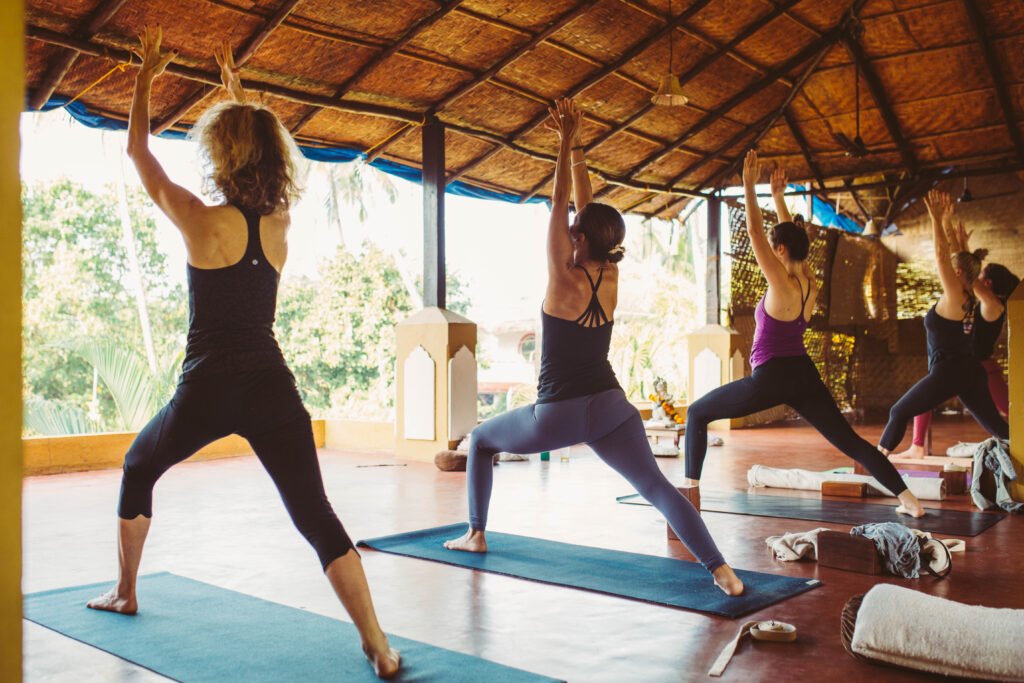
The upcoming yoga retreat in Goa in February 2026 offers a unique opportunity for individuals seeking to rejuvenate both body and spirit. Nestled on the serene beaches of Goa, participants will find themselves enveloped in a tranquil environment that enhances the overall retreat experience. The atmosphere is not only relaxing but also rich in natural beauty, providing a perfect backdrop for introspection and personal growth.
This retreat is designed to cater to all experience levels, from beginners to seasoned practitioners. It emphasizes a holistic approach to yoga that transcends mere physical practice. Participants will engage in various styles of yoga, meditation, and mindfulness exercises, focusing on building a deeper connection with themselves. The program aims to foster mental clarity, emotional balance, and spiritual awakening, creating an all-encompassing pathway to personal transformation.
In addition to daily yoga sessions, the retreat includes workshops on topics such as nutrition, self-care, and stress management, which further enhance the participants’ understanding of wellness. Interactions with experienced instructors will provide invaluable insights, helping attendees cultivate their practice both on and off the mat. Furthermore, the retreat’s communal living aspect encourages a sense of belonging and shared experience, allowing for deep connections with fellow participants as they embark on this journey together.
The combination of a supportive environment, expert guidance, and the inherent beauty of Goa sets the stage for a transformative experience. This retreat is not just an escape from the daily grind; it is a chance to realign oneself, explore inner depths, and return home empowered and renewed. Join us in Goa this February for an unforgettable journey towards a healthier and more balanced life.
Understanding Chakras and Energy Work
Chakras are energy centers within the human body that play a crucial role in our physical, emotional, and spiritual well-being. There are seven primary chakras, each associated with specific aspects of our lives, ranging from survival instincts to spiritual connectivity. The proper functioning of these energy centers is essential for maintaining balance and harmony within oneself. When chakras are aligned and energy flows freely, individuals can experience enhanced vitality, improved mental clarity, and emotional stability.
Yoga practices, particularly those focused on energy work, serve to open, cleanse, and balance these chakras. Through specific poses, breathing techniques, and meditation, participants can tap into their energy reserves and actively engage with their chakras. For instance, the root chakra, located at the base of the spine, relates to feelings of safety and security, while the heart chakra is connected to love and compassion. By understanding how each chakra influences our overall health, individuals can work towards achieving mindfulness and balance.
The upcoming yoga retreat in Goa, scheduled for February 2026, provides a unique opportunity for participants to delve deeper into the significance of these energy centers. Led by experienced instructors, the retreat will offer specialized workshops focused on chakra balancing and energy work. Attendees will be guided in practices that promote self-awareness and personal transformation, allowing them to explore and refine their energy flow. As a result, participants can expect to gain profound insights into their own bodies and minds, enhancing their overall yoga journey.
The 8 Limbs of Yoga: A Holistic Approach
The philosophy of yoga, as outlined by the sage Patanjali in the Yoga Sutras, consists of an integrated system known as the Eight Limbs of Yoga, or Ashtanga Yoga. These limbs serve as guiding principles for practitioners, offering a multifaceted approach to personal development and spiritual growth. Each limb is interconnected, providing a comprehensive framework that supports both the physical and philosophical aspects of yoga practice.
The first two limbs, Yama and Niyama, focus on ethical standards and self-discipline. Yama comprises five moral codes that encourage practitioners to engage positively with the world around them, while Niyama promotes personal observances, emphasizing self-care and a disciplined lifestyle. Adhering to these principles cultivates a strong foundation for wholesome living.
The third limb, Asana, pertains to the physical postures that many affiliate with yoga. Asanas prepare the body for meditation by enhancing strength and flexibility. However, it is critical to remember that they represent just one aspect of a more extensive practice.
Pranayama, the fourth limb, centers on breath control, aligning the breath with movement to foster energy flow. This aspect not only enhances physical performance but also serves as a bridge to the meditative limbs that follow.
The last four limbs—Pratyahara, Dharana, Dhyana, and Samadhi—are primarily concerned with the mind. Pratyahara encourages withdrawal of the senses, leading to inner focus. Dharana entails concentration on a single point, while Dhyana deepens that focus into meditation. Finally, Samadhi represents a state of bliss and union with the universe, the ultimate goal of the entire practice.
Engaging with the Eight Limbs of Yoga during our retreat in Goa will allow attendees to expand their understanding beyond mere physicality, embracing a holistic approach that enriches both body and spirit. This profound journey comprises not just the practice of yoga but also a dedication to personal and communal growth.
Diving into Hatha and Yin Yoga Practices
Yoga enthusiasts looking to deepen their practice will appreciate the comprehensive integration of Hatha and Yin yoga during the upcoming retreat in Goa. Hatha yoga, often considered the foundation of many yoga styles, emphasizes physical postures (asanas) and serves as a bridge to understand the more complex aspects of yoga. It focuses on the balance between strength and flexibility, using various techniques to cultivate a harmonious body and mind. Practitioners can expect to build endurance and improve posture through the diverse range of poses that Hatha offers.
On the other hand, Yin yoga complements this active practice by encouraging stillness and introspection. It involves holding poses for extended periods, typically three to five minutes, targeting the connective tissues rather than the muscles. This deep stretch allows for the release of tension and promotes greater joint mobility. As the body softens into the poses, participants will find an opportunity to engage in mindfulness and meditation techniques that foster deeper self-awareness.
The combination of Hatha and Yin yoga presents a well-rounded approach to physical and mental well-being. While Hatha encourages movement and vitality, Yin facilitates relaxation and contemplation. Participants at the retreat will appreciate how alternating between these styles enables them to explore their limits and deepen their understanding of yoga principles. Together, these practices not only enhance physical fitness but also support emotional balance, allowing individuals to engage in a transformative journey that nurtures both the body and spirit.