

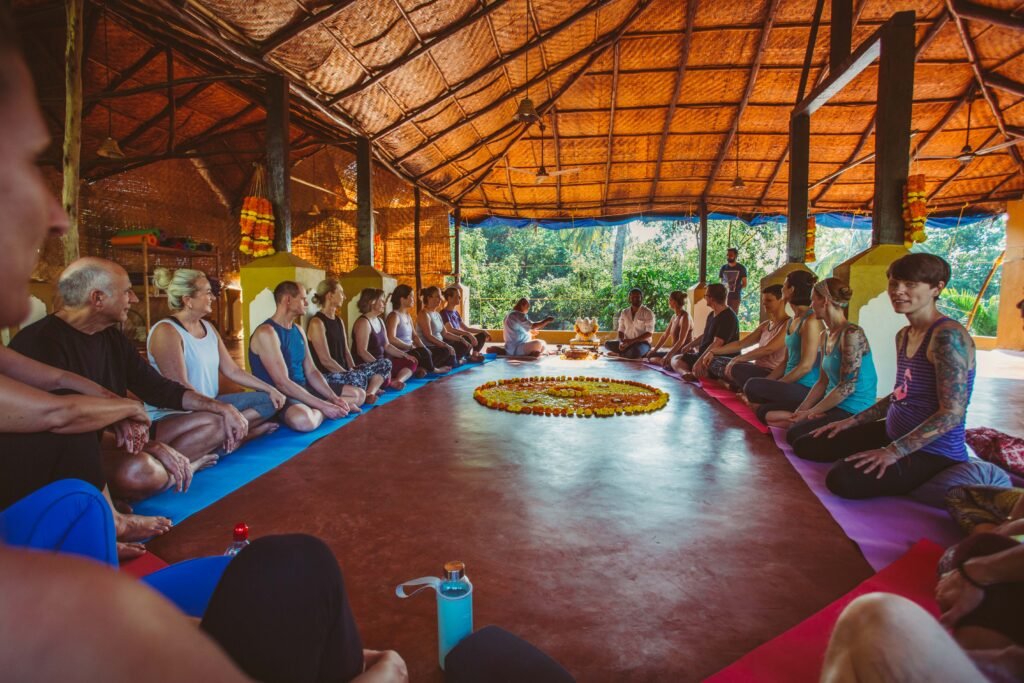
 The Ancient Roots of Yoga and Meditation
The practices of yoga and meditation trace their origins back thousands of years, deeply embedded in the cultural and spiritual tapestries of ancient civilizations. Historical evidence indicates that yoga likely developed in the Indus Valley around 3000 BCE, where early practitioners sought to integrate physical postures with spiritual pursuits. This integration reflects a holistic approach to well-being, emphasizing the balance of mind, body, and spirit. As these practices spread, they have been shaped by various cultural influences, particularly within Hinduism and Buddhism, where they served as pathways to enlightenment and self-realization.
In the Vedic texts, which are some of the oldest scriptures in human history, yoga is introduced as a discipline involving meditation and breathing techniques aimed at achieving heightened states of awareness. The ancient sages recognized the profound relationship between mental clarity and physical health, laying the foundation for many modern yoga styles. Similarly, meditation has roots in spiritual traditions that sought to quiet the mind and achieve a deeper understanding of existence. Techniques such as mindfulness and concentration have stood the test of time, evolving yet remaining true to their core essence.
As civilizations progressed, both yoga and meditation found their place in various philosophical discourses, further emphasizing their significance in personal and communal well-being. By the time of the great philosophical schools in India, such as the Samkhya and Yoga schools, these practices were more systematically studied and articulated. They were viewed not merely as physical exercises or spiritual exercises but as integral elements of a person’s lifestyle aimed at fostering balance and harmony.
In the contemporary world, yoga and meditation are widely practiced, transcending cultural barriers and adapting to the needs of modern society. This adaptability is a testament to their enduring relevance, echoing the wisdom of ancient traditions that viewed wellness as a harmonious synthesis of the body, mind, and spirit. The resilience of these practices continues to inspire individuals on their journey towards achieving focus, clarity, and calm.
Benefits of Practicing Yoga and Meditation
The practice of yoga and meditation offers a multitude of benefits that encompass the physical, mental, and emotional realms of well-being. One of the most widely recognized advantages is improved flexibility. Regular engagement in yoga postures, or asanas, helps to stretch and strengthen the muscles, enhancing overall flexibility, which can reduce the risk of injuries and improves physical performance. Numerous studies have demonstrated that individuals who practice yoga regularly often notice significant enhancements in their flexibility and strength compared to those who do not.
Beyond the physical benefits, yoga and meditation are well known for their profound impact on mental health. Mindfulness meditation, for instance, has been shown to reduce stress and anxiety levels by promoting relaxation and a sense of calm. When individuals take time to meditate, they cultivate a state of awareness that helps decrease negative thinking patterns, fostering improved emotional resilience. Research supports these claims, indicating that participants in meditation practices often report reduced symptoms of stress-related disorders.
Enhanced mental clarity is yet another significant benefit associated with these practices. Engaging in yoga and meditation encourages greater focus by training the mind to stay present. This practice can lead to improved concentration and cognitive functioning, which is particularly beneficial in today’s fast-paced, multitasking world. Additionally, the meditative aspects of yoga can contribute to a more centered and balanced state of mind, promoting a sense of clarity amid daily challenges.
Overall well-being is further enhanced through the cultivation of mindfulness and self-awareness. By fostering a deeper connection with the body and breath, individuals are better equipped to manage their emotions and navigate life’s complexities. The regular practice of yoga and meditation not only contributes to physical and mental health but also promotes a holistic approach to living with greater focus, clarity, and calm.
How Yoga and Meditation Enhance Mindfulness and Presence
Mindfulness and presence are core components of both yoga and meditation practices, offering individuals profound tools for enhancing their overall well-being. By engaging in yoga, practitioners cultivate a heightened awareness of their physical body and mental state. Each posture requires focused attention, prompting one to listen to their body, thereby fostering a deeper sense of connection with oneself. This cultivation of awareness extends beyond the yoga session, encouraging individuals to recognize and acknowledge their thoughts and emotions in daily life.
Similarly, meditation serves to anchor the mind, promoting a state of focused attention. Through various techniques such as breath awareness or body scanning, practitioners learn to observe their thoughts without judgment, which is essential for cultivating mindfulness. This non-reactive observation allows individuals to identify patterns of thought and emotional responses, thus creating space for a more grounded approach to life’s challenges. The regular practice of meditation instills a sense of tranquility and clarity, making it easier to navigate stressful situations with a calm demeanor.
To integrate mindfulness into daily life, individuals can employ various techniques. One effective method is to incorporate mindful moments throughout the day, such as taking a few deep breaths before responding to a triggering situation. Another approach is to engage in mindful eating, where one focuses solely on the taste and texture of food. Additionally, establishing a daily routine that includes both yoga and meditation can significantly bolster one’s ability to remain present and centered. As practitioners become more accustomed to these practices, they find themselves better equipped to handle the complexities of life with resilience and composure.
Getting Started: Practical Tips for Incorporating Yoga and Meditation into Your Routine
Embarking on the journey of yoga and meditation can be a rewarding experience, but it requires a thoughtful approach to ensure lasting integration into daily life. To begin, it is essential to set aside dedicated time for practice. Whether you prefer early morning sessions or evening wind-down routines, consistency is key. Start with a manageable duration, such as 10 to 15 minutes, gradually increasing as you become more comfortable with the practices.
Selecting suitable resources is vital for beginners. Consider enrolling in local classes, which offer the opportunity for personal guidance from experienced instructors. Alternatively, for those who prefer the flexibility of practicing at home, numerous online tutorials and mobile applications provide comprehensive guidance tailored for all levels. It’s wise to explore various resources to find voices and styles that resonate with you.
The environment in which you practice can significantly affect your experience. Creating a calming space, free from distractions, will facilitate deeper focus during yoga and meditation. Consider decluttering the area, using soft lighting, and incorporating elements that promote tranquility, such as candles or calming scents like lavender. Soft background music or nature sounds can also enhance your practice, making it more enjoyable and immersive.
For newcomers, trying beginner-friendly techniques can alleviate feelings of overwhelm. Basic yoga postures such as Child’s Pose, Downward Dog, and Cat-Cow can offer a solid foundation. In terms of meditation, starting with guided sessions—perhaps focusing on breathing or visualizations—can be beneficial in establishing familiarity with the practice. Even simply being present and observing one’s thoughts for a few minutes can yield positive results.
Incorporating these practices into your routine does not have to be daunting. With a structured approach, patience, and practice, yoga and meditation can transform your daily life, allowing you to experience enhanced focus, clarity, and calm.