

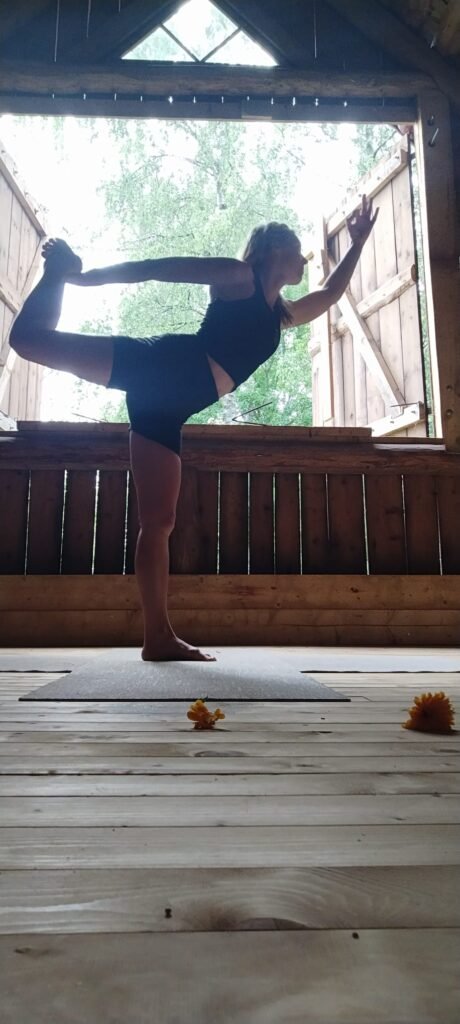
 Understanding the Present Movement in Yogic Practice
Present movement in yogic practice refers to the conscious engagement of one’s body in alignment with the present moment, centering attention on the interplay between movement and mindfulness. This concept, rooted in ancient yogic traditions, emphasizes the importance of awareness and deliberate motion, allowing practitioners to cultivate a deeper connection between their thoughts and actions. Various styles of yoga, such as Hatha, Vinyasa, and Ashtanga, incorporate this principle, albeit with differing focal points and methodologies.
The origins of present movement can be traced back to the holistic philosophy of yoga, which encourages an alignment of body, mind, and spirit. In this context, movement transcends mere physical exercise, transforming into a meditative practice that nurtures holistic awareness. This integration calls for the practitioner to not only move their body but also to be acutely aware of their breath, sensations, and emotional responses to create a harmonious balance within.
Mindfulness plays a central role in this practice. By fostering an acute awareness of the present moment, practitioners can observe their thoughts and feelings non-judgmentally, allowing for a greater sense of acceptance and understanding. This state of mindfulness is essential in navigating the complexities of modern life, offering tools to remain grounded amidst distractions. Through techniques such as guided breathwork and flowing asanas, practitioners learn to engage with movement in a way that promotes alignment, stability, and resilience.
Engaging in present movement cultivates a profound sense of grounding. As practitioners develop awareness of their physical bodies and their surroundings, they find a stabilizing influence that fosters emotional and mental equilibrium. Such engagement encourages a reflective practice where the understanding of one’s limits and capabilities enhances overall well-being. In this light, present movement is not simply about physical exertion; it represents a pathway toward deeper awareness and inner peace.
The Role of Movement in Enhancing Focus
Intentional movement plays a pivotal role in enhancing focus during yoga practice. Engaging in carefully designed asanas not only challenges the body but also cultivates awareness and concentration. For instance, the act of transitioning smoothly between poses requires mindfulness, which encourages practitioners to tune into their bodies and breath. This alignment of mind and body fosters a heightened state of awareness that significantly interrupts the flow of distractions that often plague our thoughts.
Specific practices, such as breathwork paired with physical movements, have been shown to deepen focus. Techniques like pranayama, which emphasizes controlled breathing, create a rhythmic, calming effect that further sharpens cognitive function. Research highlights that deep, intentional breathing can slow heart rates and promote a sense of tranquility, making it easier to maintain concentration. By synchronizing breath with movement, practitioners develop an inner calm that supports mental clarity.
Additionally, scientific studies have demonstrated the beneficial effects of physical activity on cognitive performance. For example, studies indicate that regular aerobic exercise, akin to some yoga practices, enhances neuroplasticity—the brain’s ability to reorganize itself—and boosts overall cognitive function. This suggests that the movement involved in yoga isn’t just about physical flexibility but also significantly impacts mental acuity, reinforcing the connection between body and mind.
When one is fully present in their body, sensory distractions diminish, allowing the practitioner to engage more deeply in the present moment. Observing sensations during asanas can provide insight into both physical and emotional states, enhancing self-awareness and helping to center the mind. In this way, the integration of movement into yoga practice serves not just to improve physical alignment but also to cultivate mental focus, proving fundamental for an enriched yogic experience.
Building Stability through Yogic Movement
Stability is a cornerstone of yoga practice, providing the foundation for both physical and emotional well-being. Dynamic movements in yoga play a crucial role in developing this stability, combining techniques that enhance balance and strength through various poses. When practitioners focus on physical alignment during these movements, they not only achieve greater flexibility but also cultivate a deep sense of inner stability.
One fundamental aspect of building stability in yoga involves the integration of core strength. Poses such as the Warrior series and Tree Pose challenge individuals to engage their core muscles, fostering improved balance. The act of rooting oneself into the ground while extending through the limbs creates a sense of physical steadiness, which in turn impacts one’s mental state. A stable body leads to a calmer mind, enabling practitioners to navigate stressors more effectively.
Furthermore, the relationship between physical stability and mental fortitude becomes evident through consistent practice. As individuals learn to hold their poses and maintain their balance, they develop resilience—not only against physical challenges but also emotional ones. This practice becomes a metaphor for life, where the ability to remain grounded amid chaos is essential. Personal experiences shared by seasoned practitioners often illustrate significant transformations, where the discipline of yoga helped them overcome anxiety and develop coping strategies for daily life.
Expert insights underline the importance of alignment in poses. Proper alignment ensures that the body functions harmoniously, preventing injuries and enhancing the benefits of practice. When the body is correctly aligned, energy flows more freely, leading to improved physical conditions and heightened emotional clarity. Hence, building stability through yogic movement is not merely about physical postures; it embodies a holistic approach to achieving resilience and balance in all aspects of life.
Cultivating Resilience Through Regular Yogic Practice
Resilience, defined as the capacity to recover quickly from difficulties, is an essential trait that can significantly enhance emotional and psychological well-being. Engaging in a regular yogic practice is a powerful means to cultivate this resilience. Yoga encourages practitioners to face discomfort, not only within physical poses but also in their mental and emotional states. By consistently navigating these challenges during yoga sessions, individuals prepare themselves to handle various stresses encountered in daily life.
One of the fundamental principles of yoga is the concept of present-moment awareness. This principle aids practitioners in embracing both the physical and emotional discomforts that arise during practice. The act of remaining present allows for a deeper exploration of personal limitations and a gradual buildup of coping strategies. As individuals learn to manage feelings of unease on the mat, they develop the skills necessary to confront challenges beyond their practice.
To further enhance resilience through yoga, incorporating mindful movement into daily routines is beneficial. Simple strategies such as dedicating a few minutes each day to stretch, breathe, or meditate can create a significant impact. These practices can be seamlessly integrated into various aspects of life, promoting mental clarity and emotional stability. For instance, starting the day with gentle yoga can set a positive tone, while engaging in breathwork during stressful moments can provide immediate relief.
Numerous practitioners have shared their experiences of growth and transformation through regular engagement with yoga. Many attest that the insights gained from dealing with discomfort on the mat helped them navigate life’s challenges with increased confidence and composure. These testimonials illustrate the profound impact that a consistent yogic practice can have on cultivating resilience and maintaining emotional equilibrium.